Home / Healthcare & Pharmacy / Pharmacies & Pharma Distribution
RFID for pharmacies and pharma distribution
Keep stock accurate in every branch, from the central warehouse to the pharmacy shelf.
About Avionova
We help count, find and track stock, files and assets.
We review your workflow and needs before choosing any equipment.
Tags and labels chosen for your material and conditions, including custom labels.
Printers, RFID readers and a link to the system you already use.
Team training and service after the system is running.
The challenge
The basics
RFID (Radio Frequency Identification) gives every item a digital identity that can be read with radio waves.
A small chip with an antenna, attached to a carton, pallet or item. Each tag has a unique number.
Reads many tags at once from close range, without scanning one by one.
Records the quantity, type and position of items at each step, then prepares the reports.
The basics
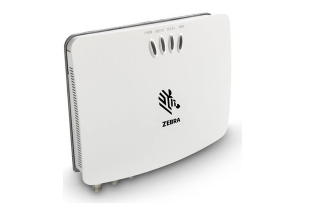
Mounted at a door or counting table, it reads the tags that pass.
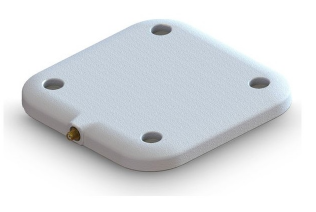
Connects to the reader and sets the reading area.
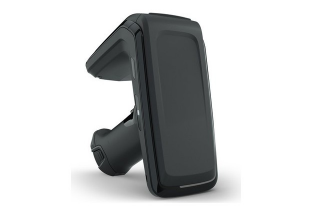
For counting and finding items while walking.
Final devices and tags follow the assessment.
The basics
| Barcode or manual count | RFID | |
|---|---|---|
| How it reads | One by one | Many items at once |
| Item position | Must be visible and aimed | Does not need to be visible |
| Counting stock | Takes the team's time | With a handheld reader, in one pass |
| Recording | Depends on the person's care | Recorded automatically by the system |
Tag choice depends on the material and conditions of your goods. We confirm tag durability during the assessment, not assume it.
Your flow
RFID can read at every step. We decide together which points are the most useful and which can be skipped.
Benefits
No more handling items one by one.
A record at every step makes gaps traceable.
Contents are checked against the order before they leave.
Quantity and position recorded per area.
Look for a specific item without opening stacks.
Movements are recorded and can be reported.
Real results depend on your flow and volume. We work them out with you after an assessment.
What we need from you
Implementation
A visit to the site, mapping the flow and matching tags to your goods.
Reading points, devices and integration, set out for your flow.
Fitting tags, readers and software, and linking to your system.
Training for operators and IT, then support while the system runs.
Next steps
Understand your flow of goods and the systems you use.
Types of goods, volume, flow and the system you use today.
We prepare it after the data and the visit.
Agree the dates and who decides.