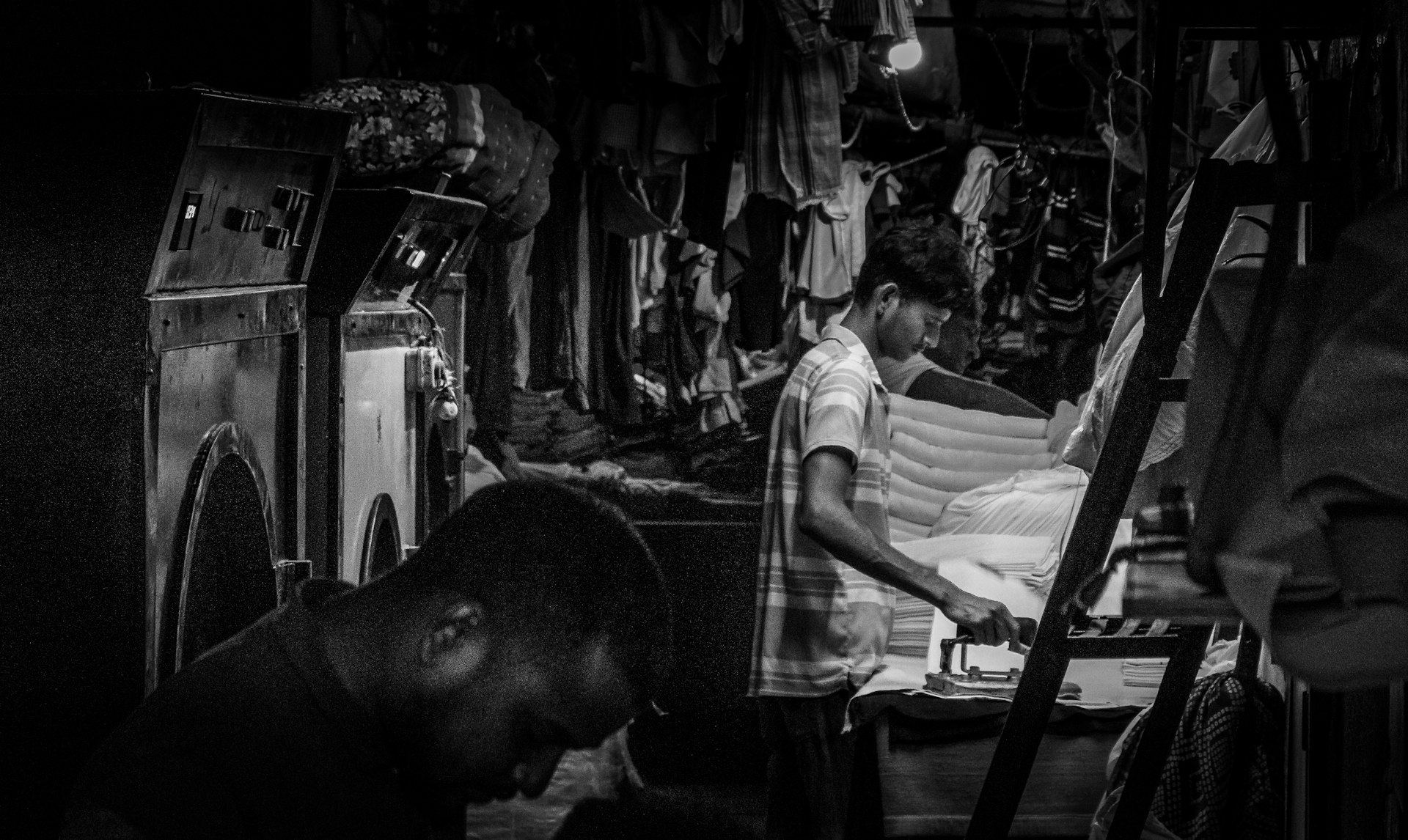
What a laundry tag goes through
- Hot water and detergents, sometimes with bleach or other chemicals.
- Mechanical action in the washer and the extractor.
- Pressing, ironing or tunnel finishing with heat and pressure.
- Drying, then folding, counting and storing.
Types you will meet
- Tags sewn into or onto the item, often into a seam or hem.
- Tags that are heat-sealed or bonded onto the fabric.
- Tags that fit into a pocket or a patch.
- Tag shapes that work for flat items and for items that fold or stretch.
The right choice depends on the item, how it is processed and how long it should stay in service.
Questions to ask a supplier
- How many wash cycles is the tag designed for, and under which conditions?
- Is it rated for your pressing or finishing temperature?
- How is it attached, and does the attachment hold through the process?
- How does it read when the item is wet, wrapped or in a stack?
Test before you tag a batch
Tag a small sample, run it through your real washing and finishing process, then read it again. Check the tags that stayed on, the ones that still read and the items that were damaged. Repeat with the cycle count you expect.
What to plan around the tag
- Where readers sit: at sorting, at the packing table or at a door.
- How a lost or damaged tag is replaced and recorded.
- How tag identity links to your own list of items and customers.
See our pages on Laundry & Hospitality and RFID Tags and Labels, or read about RFID for linen in laundries and hotels.
Not sure RFID fits your business?
Answer ten short questions about how you count and find items. You get a result straight away.