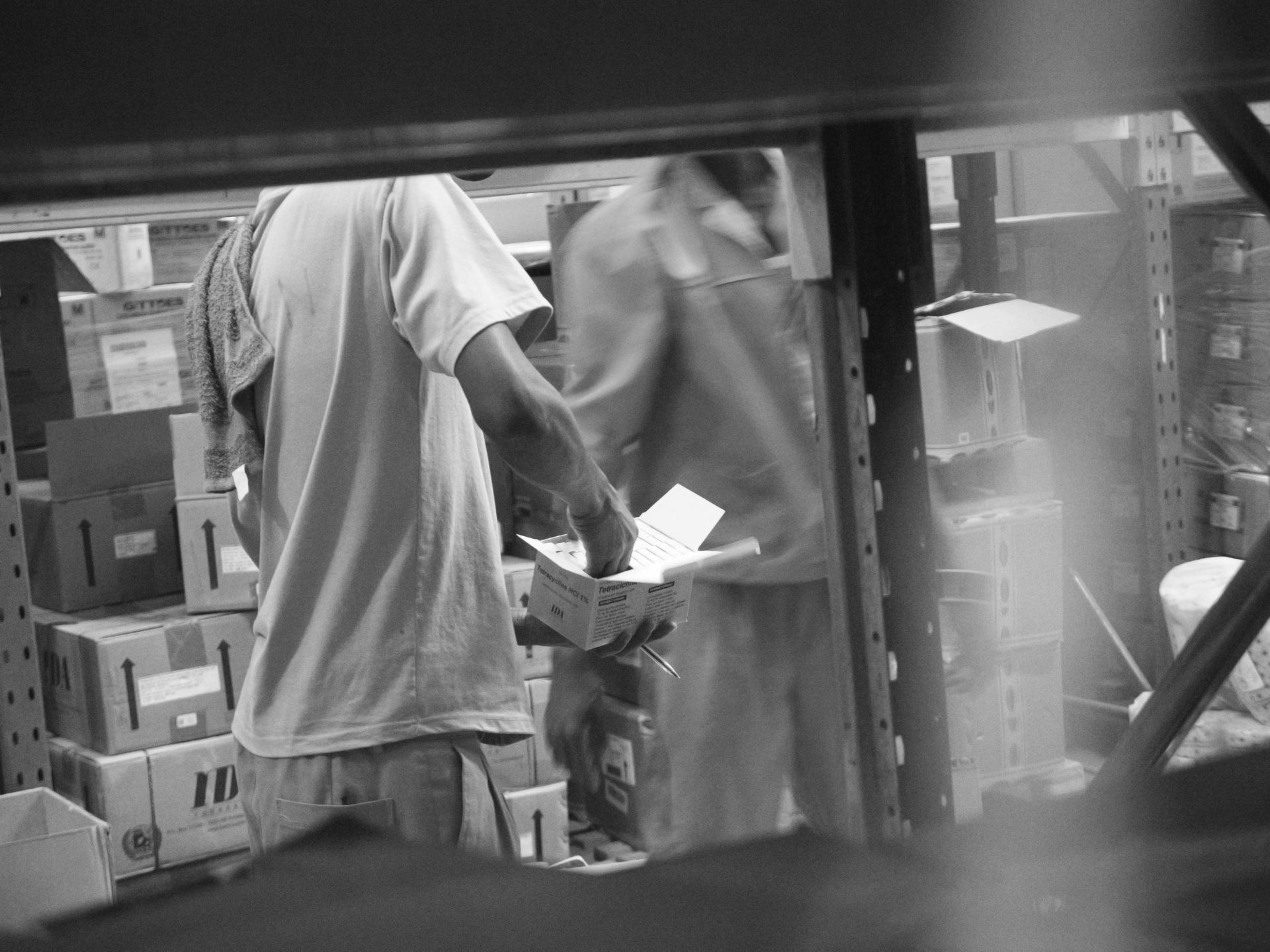
Where hospitals lose time
- Linen and uniforms go to the laundry and not all of them come back.
- Physical medical-record files are asked for and take time to find.
- Equipment moves between wards and nobody is sure where it is when needed.
- Supply rooms are counted by hand and the count is out of date soon after.
What RFID can do
- Linen: count bundles at pickup and return, as laundries and hotels do.
- Records: label files and boxes, read a records room at the door and find a file on a shelf.
- Equipment: tag items that move and find them by reading the area.
- Supply rooms: count a shelf or room in one pass instead of item by item.
What stays private
An RFID tag carries an identifier, not patient details. The information about a file or an item stays in your own hospital systems. RFID only adds where the item is and when it moved. Decide with your IT and records teams which identifiers are used and who can see the movement log.
What to test first
- Tags for linen must survive your washing process.
- Tags for equipment and containers must suit the surface and the cleaning method used.
- Readers placed at doors and in rooms must be tested in the real layout, because walls, metal furniture and trolleys affect reads.
Where to start
Pick one flow with a clear pain, such as linen between one ward and the laundry, or one records room. Tag it, read it, and compare with your current counts. Extend once the first area shows a result you can use.
Read more about Healthcare & Pharmacy, the related guide on counting linen, or take the 10-question checklist.
Not sure RFID fits your business?
Answer ten short questions about how you count and find items. You get a result straight away.